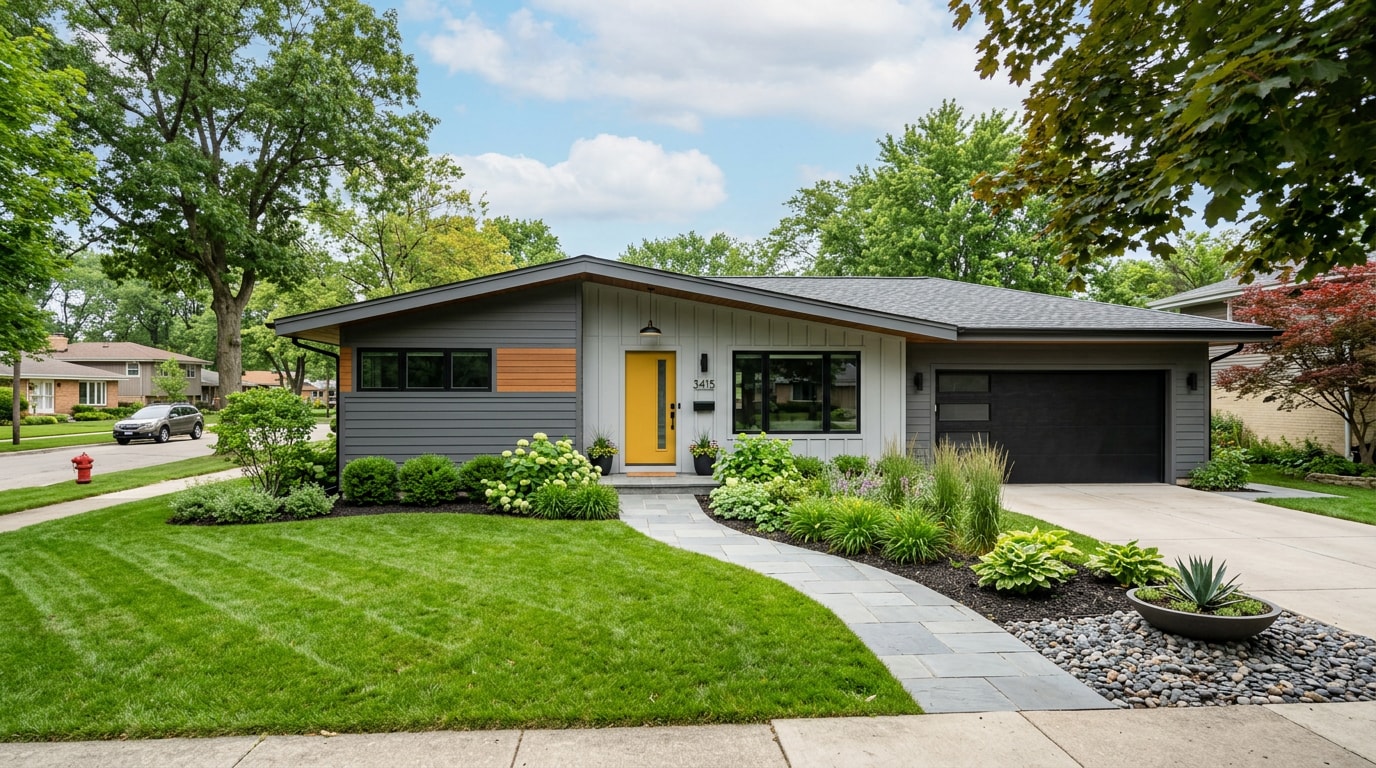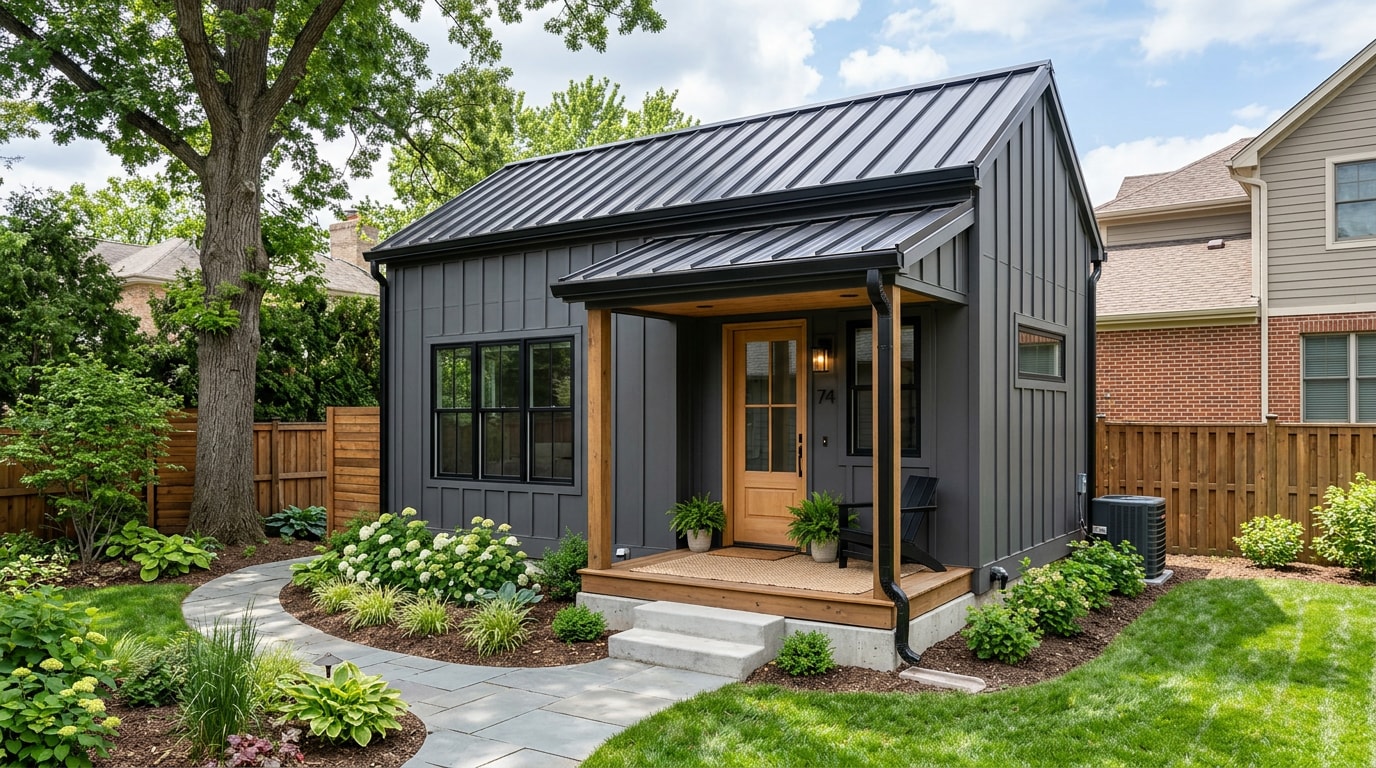
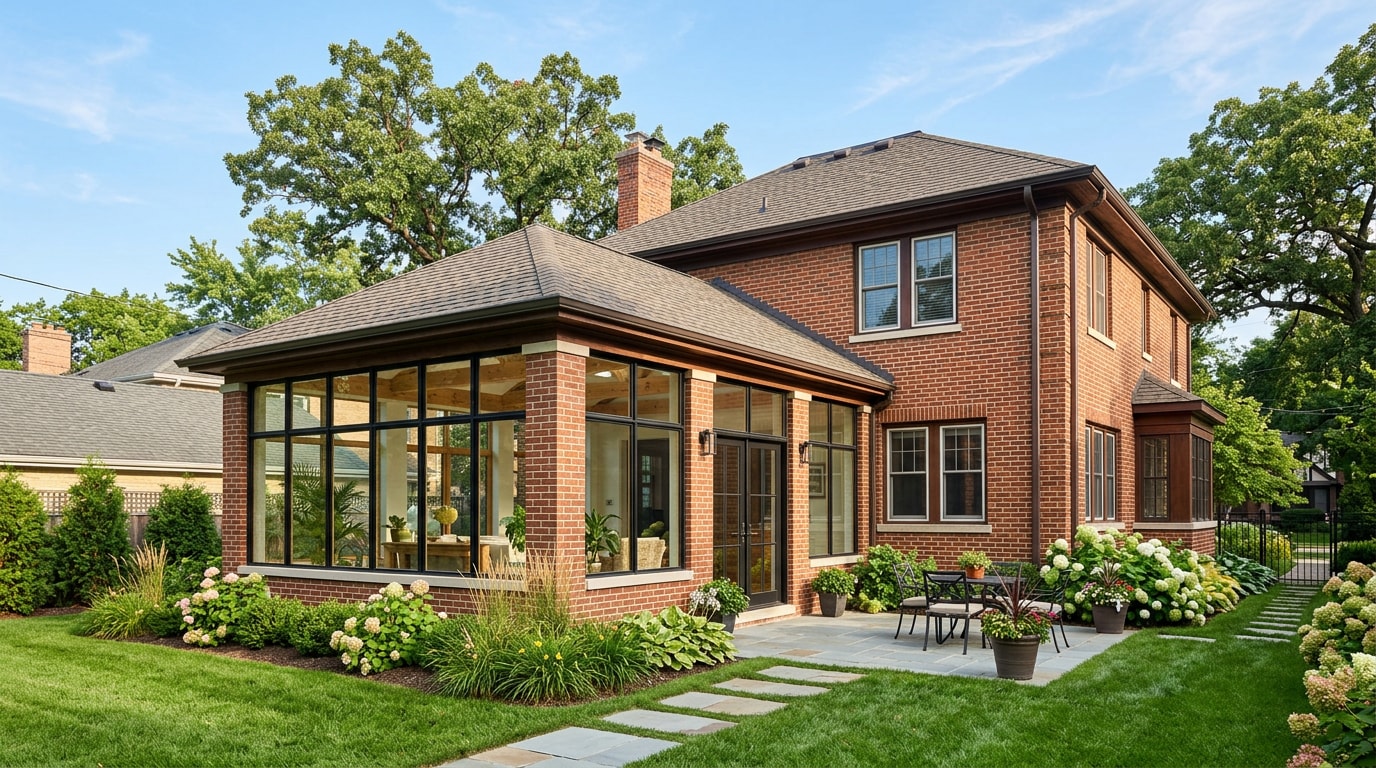
Sunroom builders in La Grange, IL range from true specialists who build dozens of rooms a year to general remodelers who add a sunroom once or twice and call it a specialty. That gap doesn't show up on day one. It shows up in the flashing, the wiring, and the warranty paperwork during your first hard Chicago winter. Before you request a quote, here's what actually separates a sunroom that lasts from one that leaks.
How Much Does a Sunroom Cost in La Grange, IL?
Sunroom pricing swings more than most home additions because "sunroom" covers everything from a glass-paneled screen room to a fully insulated, climate-controlled addition. Size, framing material, foundation work, and whether you're adding HVAC all move the number significantly.
| Sunroom Type | Typical Cost Range | What's Usually Included |
|---|---|---|
| Three-season room | $20,000 to $45,000 | Lighter framing, single or dual-pane glass, no dedicated heating/cooling |
| Four-season room | $45,000 to $90,000+ | Insulated walls/roof, upgraded glass, electrical, often HVAC tie-in |
| Prefab/screen conversion | $8,000 to $25,000 | Existing deck or patio enclosed, minimal structural work |
These are planning ranges, not quotes. A written estimate tied to your specific lot, roofline, and foundation condition is the only number worth budgeting around, which is why it's worth requesting a free estimate before you compare contractors on price alone.
Look for Relevant Experience and Credentials From Sunroom Builders in La Grange, IL
Not every remodeling company that advertises sunrooms has actually built very many of them. Ask directly how many sunroom projects a contractor has completed in the past few years. Request a portfolio of work similar to what you're planning, since a three-season glass room looks and performs very differently than an insulated four-season addition.
Credentials matter just as much as experience. A licensed sunroom contractor working in La Grange and the broader Cook County area should carry current general liability insurance and workers' compensation coverage, and should produce proof of both without being asked twice. Ask who pulls the building permit and schedules inspections. Reputable builders handle this as part of the job instead of leaving it to the homeowner.
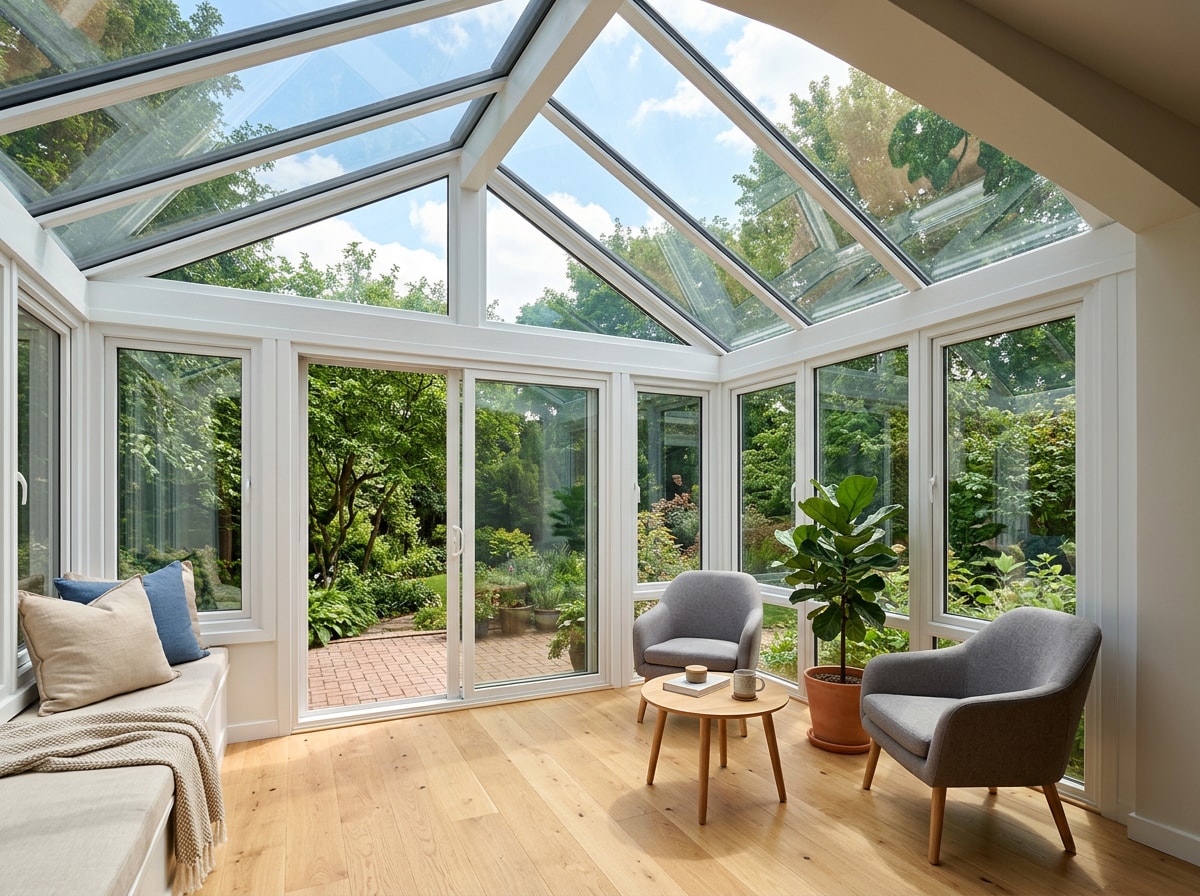
Before you go further, review a contractor's finished work on their projects page to see whether their past sunrooms match the style and scale you have in mind.
Ask for References Before Hiring Your Sunroom Contractor
Star ratings only tell part of the story. Ask any contractor you're considering for the names and numbers of two or three recent sunroom customers, then actually call them. A few direct questions go a long way:
- Did the project finish close to the quoted timeline?
- Did the final cost match the written estimate?
- Would you hire the same crew again?
- Did they explain delays before they happened, or after?
You can also check state licensing records to confirm a contractor has a clean record with no unresolved complaints. Satisfied customers who talk openly, including about minor hiccups, are usually a better sign of a trustworthy contractor than a perfect five-star average with no detail behind it.
Work With a Company That Specializes in Sunrooms, Not Just a General Contractor
A sunroom specialist and a general contractor can both build things well, but they solve different problems. A specialist has already dealt with the leaks, drainage issues, and temperature swings that come with tying a glass-heavy structure onto an existing home. A generalist may be learning those lessons on your project instead of a past one.
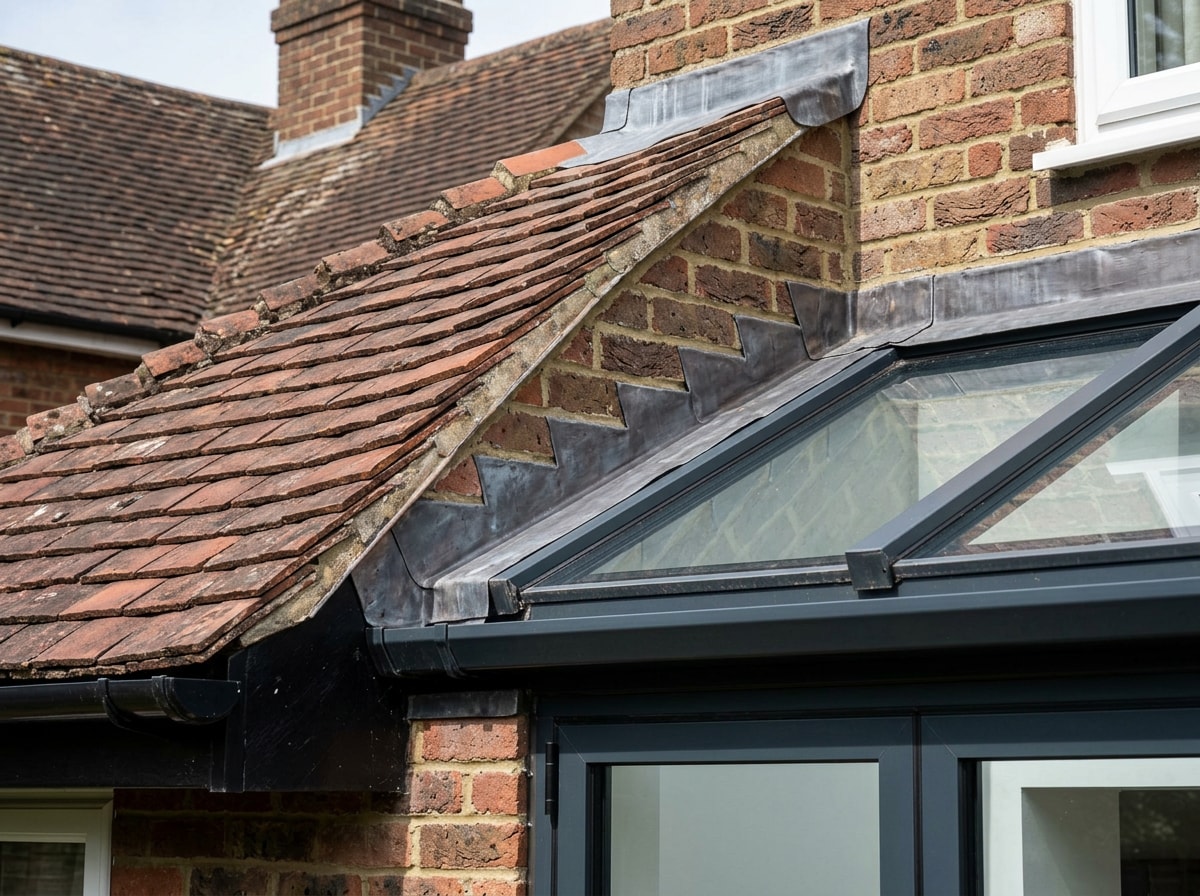
Structural tie-ins are where inexperience shows up fastest. The new roofline, flashing, and foundation connections all have to match your home's existing structure and meet local code. That's one reason sunroom installation isn't a realistic weekend project for most homeowners, and it's also why our crews treat the tie-in, not the glass, as the hardest part of the job. On older La Grange housing stock in particular, roof pitches and foundation heights rarely match a builder-grade assumption, which is exactly where mistakes turn into water intrusion or settling down the road. If a room addition is more what you have in mind than a glass-walled sunroom, our room additions page covers that scope in more detail.
Compare Framing Materials and Glass Packages
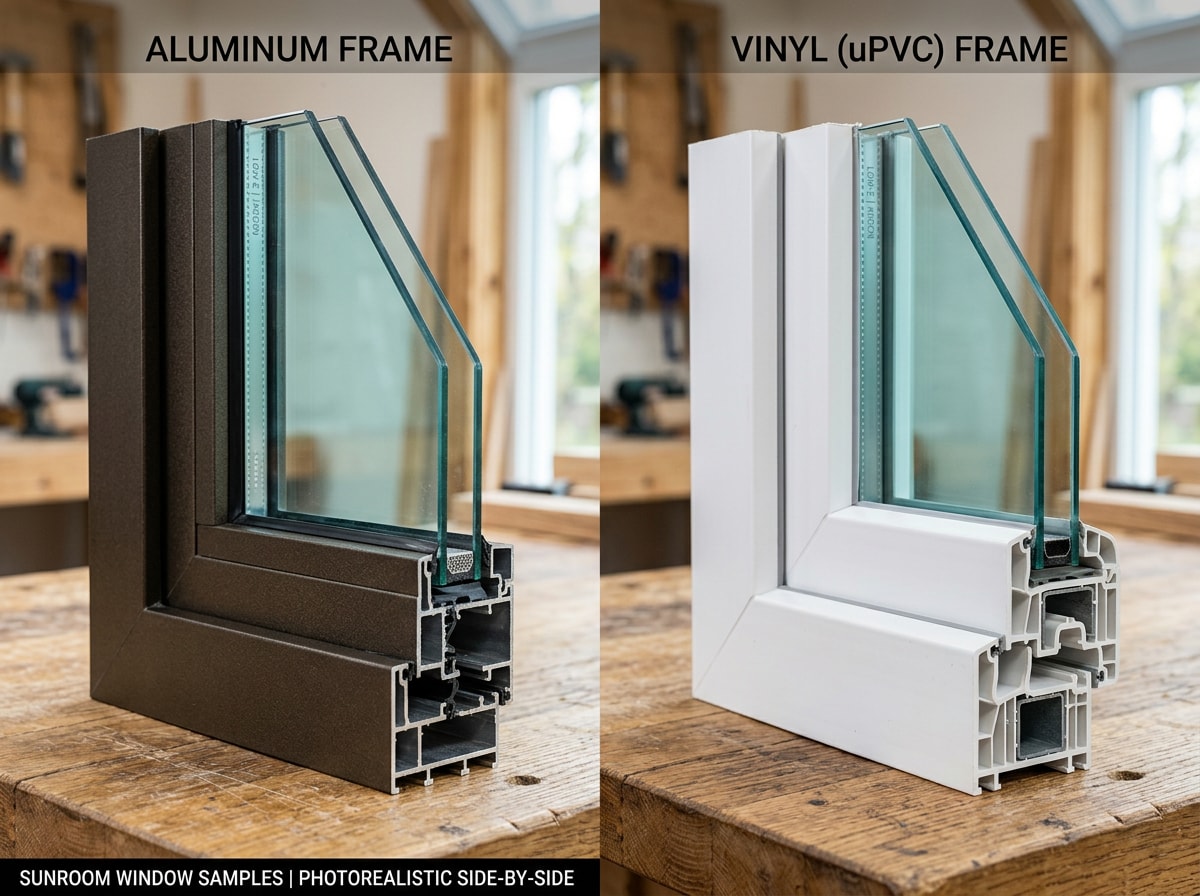
Sunroom framing typically comes in aluminum, vinyl, or wood, each with different durability, insulation, and maintenance tradeoffs. The glass package matters just as much as the frame for how the room performs through a Chicago-area winter.
| Framing Material | Strength | Insulation | Maintenance | Best For |
|---|---|---|---|---|
| Aluminum | High | Low unless thermally broken | Low | Slim sightlines, modern look |
| Vinyl | Moderate | High | Low (resists rot/corrosion) | Year-round energy efficiency |
| Wood | Moderate | High | Higher (painting/sealing) | Traditional, custom-look builds |
Aluminum framing is strong and low-maintenance, but it conducts heat and cold more readily unless it includes a thermal break. Without one, Chicago-area temperature swings can mean cold spots along the window edges in January. Vinyl framing insulates better by nature and resists the rot and corrosion that can affect wood or bare aluminum over time. Wood is less common in modern sunrooms but still shows up in custom builds where a traditional appearance matters more than low maintenance.
Glass matters as much as the frame. Low-E glass carries a microscopically thin coating that reflects heat back into the room in winter and blocks excess solar heat in summer. Compare performance ratings, specifically U-factor and solar heat gain coefficient, using the NFRC's energy performance ratings when weighing window packages between contractors. For La Grange's cold winters and humid summers, double-pane or triple-pane Low-E glass paired with a thermally broken frame is generally the safer long-term choice, though your contractor can help weigh cost against performance for your specific project. For a side-by-side look at sunroom styles in a comparable western suburb, see our sunroom cost and features guide for Oak Brook.
Permits, Timelines, and Warranty Coverage in La Grange, IL
Yes, you need a permit. The Village of La Grange specifically lists room additions and any addition to a structure as work requiring both a permit and plan review, and work done without one is assessed a double permit fee. A reputable contractor pulls this permit and schedules inspections as part of the contract rather than leaving it to you. Review the Village of La Grange's permit requirements before you sign anything so you know what your contractor is responsible for.
Ask for a realistic construction timeline before you sign a contract, and ask what could push that date. Permitting delays, weather, and material lead times are the usual culprits, especially for custom glass orders that can take several weeks to arrive.
Warranty coverage deserves equal attention. Material warranties, which cover the manufacturer's windows, frames, and roofing components, are different from installation warranties, which cover the contractor's workmanship. A sunroom can have excellent material warranties and still leak if the installation warranty is thin or unclear. A compliant written contract should spell out payment schedule, project scope, and warranty terms clearly. The FTC's guidance on avoiding home improvement scams outlines what to check before you sign, including confirming licensing and insurance and getting everything in writing.
Choose a Builder Who Communicates Clearly
Pay attention to how a contractor communicates before you ever sign anything. Vague estimates, unclear warranty terms, and answers that dodge your specific questions are red flags worth taking seriously. High-pressure sales tactics, like same-day discounts or pressure to sign before you've compared other quotes, are another warning sign.
A trustworthy contractor sets realistic expectations about cost, timeline, and what your finished sunroom will actually look like, even when the honest answer isn't the one you were hoping for. If a builder answers your questions clearly and promptly during the estimate process, that's a strong signal of how they'll communicate once the project is underway.
Ready to compare notes with a local team? As a general contractor serving La Grange, IL and the surrounding suburbs, ProOne Builders handles the permitting, structural tie-in, and finish work under one contract. Request a free estimate to get a written, itemized proposal for your project.
FAQ
How Much Does a Sunroom Addition Cost?
A three-season room generally runs $20,000 to $45,000, and a fully insulated four-season room typically runs $45,000 to $90,000 or more, depending on size, materials, and site conditions. A local, itemized quote is the only reliable number for your specific home.
Do You Need a Permit for a Sunroom Addition in La Grange?
Yes. The Village of La Grange treats room additions, including sunrooms, as work requiring a building permit and plan review, with inspections for structural and electrical work. Work started without a permit is assessed a double fee, so confirm your contractor is pulling it before construction starts.
What's the Difference Between a Three-Season and Four-Season Sunroom?
A three-season room is built for spring, summer, and fall use, typically with basic glass and little to no dedicated heating or cooling. A four-season room is insulated throughout, walls, roof, and glass, and connected to a heating and cooling source, which makes it usable year-round even through a Chicago winter. The tradeoff is cost: four-season construction runs higher upfront but functions as genuine living space all year.
How Long Does It Take to Build a Sunroom?
Design and permitting usually take two to six weeks, depending on your municipality's review process and how customized the project is. Construction itself typically runs two to eight weeks. Prefab three-season kits go up faster, while custom four-season rooms with structural tie-ins take longer.
Does a Sunroom Add Value to a Home in La Grange?
A well-built sunroom can add value, but it rarely returns dollar-for-dollar at resale, and the effect depends on whether it's treated as conditioned living space or a seasonal bonus room. A three-season room is less likely to be counted in a home's heated square footage by an appraiser than a fully insulated four-season room. If resale value is a priority, ask a local real estate agent how comparable sunrooms have affected recent sales in your neighborhood before you finalize the scope.
About the Author
This guide was written by the project management team at ProOne Builders, a general contractor serving La Grange and the western Chicago suburbs on room additions, sunrooms, and full remodels. Our crews coordinate permitting directly with local building departments and have handled structural tie-ins on homes built well before current energy codes existed. Questions about a specific property? Contact us directly.