Civil engineering contractors in Western Springs, IL handle the grading, drainage, and utility work that decides whether your addition, basement, or driveway survives its first big storm. Get this stage wrong and you end up tearing out concrete or re-engineering a yard after the fact. Here's what separates a contractor worth hiring from one that creates problems you'll pay for twice.
What a Civil Engineering Contractor Actually Does
A civil engineering contractor handles the site-level work that happens before and during construction, not the building itself. That part falls to a general contractor once the site is ready.
Typical scope includes:
- Clearing and preparing the lot
- Excavating and fine-grading the site
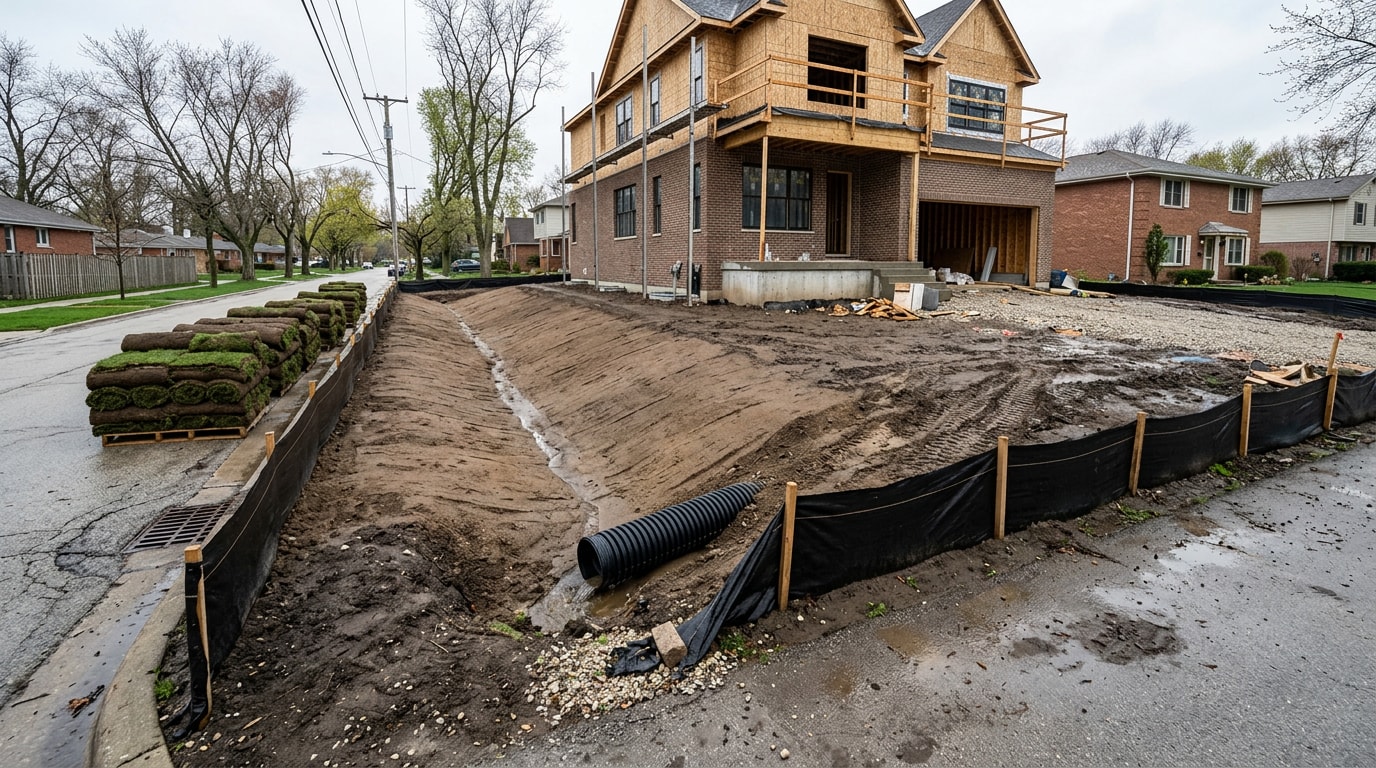
- Designing drainage systems that route stormwater away from the structure
- Coordinating water, sewer, and utility connections
- Surveying property lines and elevations
On additions and larger remodels, these two roles overlap. At Pro One Builders, site work and construction phases get coordinated under one project timeline rather than handed off between separate crews who've never talked to each other.
| Civil Engineering Contractor | General Contractor | |
|---|---|---|
| Primary focus | Land, grading, drainage, utilities | Structure and finishes |
| Works before building starts | Yes, usually | No, after site is ready |
| Needs a PE stamp for plans | Often, for stormwater/drainage designs | Not typically |
| Typical project trigger | New addition, sloped lot, flood zone, subdivision | Remodel, new build, repair |
Why Site Work Matters More in Western Springs
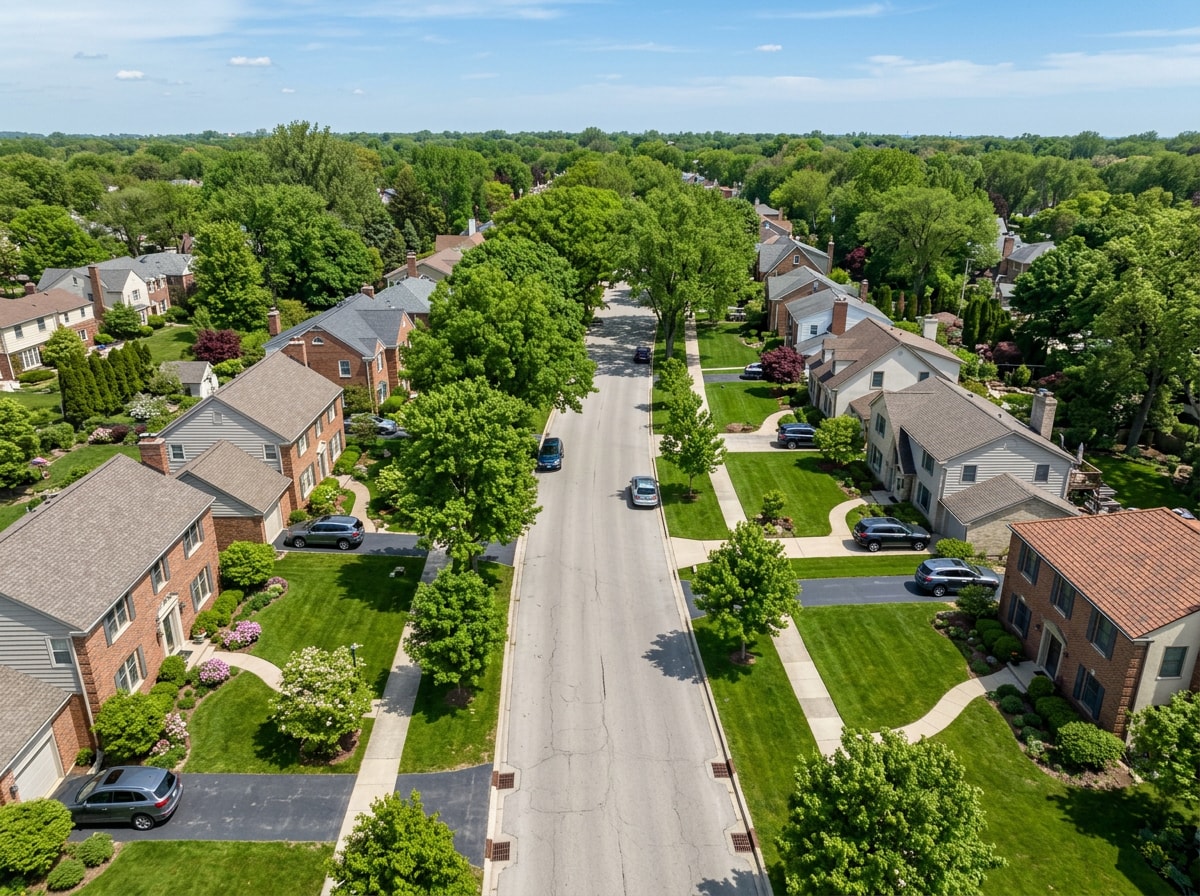
Western Springs sits on older housing stock paired with an aging sewer network, which raises the stakes on any grading or drainage decision. The Village of Western Springs manages approximately 75 miles of sewer pipe within the Village, and approximately 54 miles of that pipe carries some sort of storm water.
Older subdivisions contain combined sewer systems and are located on the north side of the community.
That matters because combined systems can back up during heavy rain if a new addition or hardscape sends more runoff into them than they were designed to handle. This isn't a Western Springs-only problem. Stormwater has earned a "D" on the 2025 American Society of Civil Engineers Report Card for America's Infrastructure, which is the same score it received in 2021. You can review the full breakdown on the ASCE infrastructure report card.
In plain terms: aging pipes plus more hardscape equals more flooding risk, and that's exactly why a properly engineered grading and drainage plan matters more here than in a newer subdivision with modern separated sewers.
Civil Engineering Services Available Near Western Springs, IL
Firms serving this area typically offer:
- Site grading and drainage plans
- Utility layout and coordination
- Stormwater detention design
- Permitting assistance
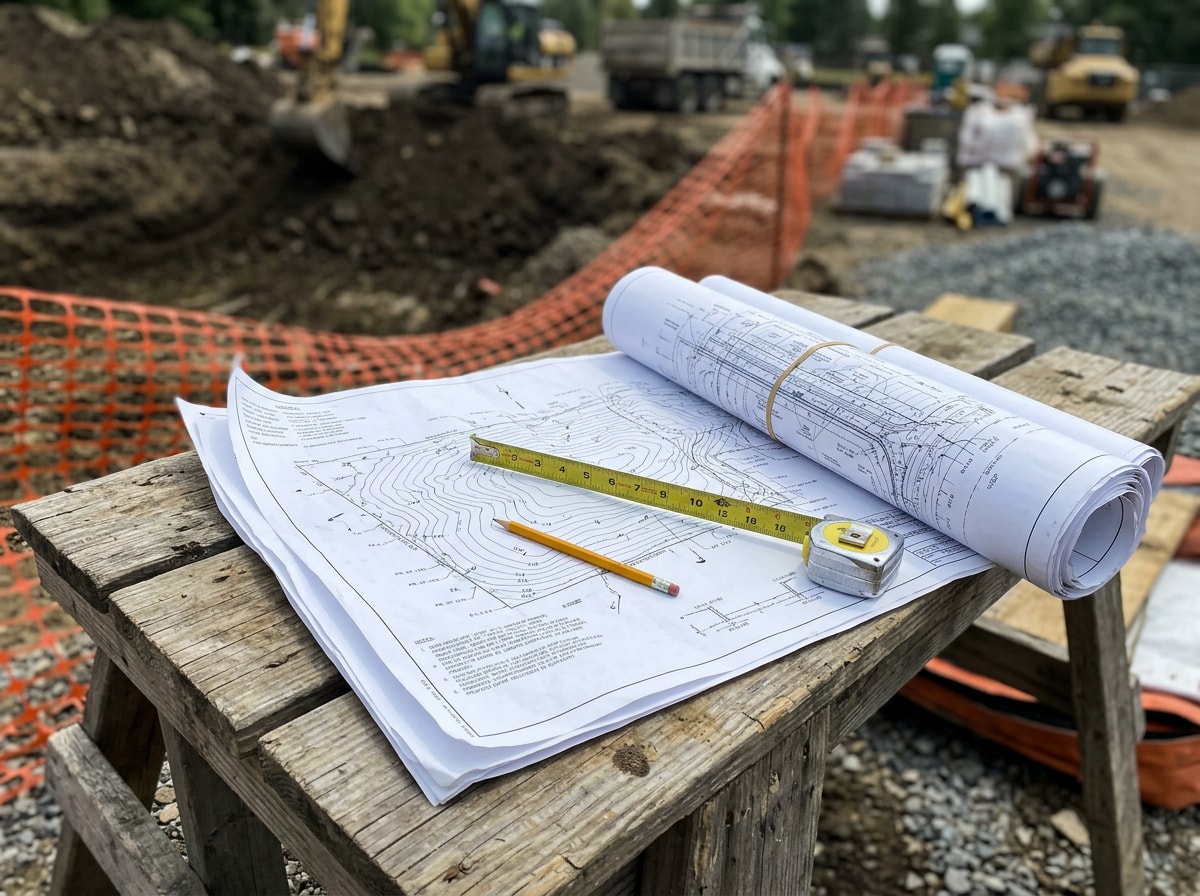
- Boundary and topographic surveying
- Floodplain studies and compensatory storage calculations for lots near waterways
These services apply to single-family additions, basement conversions, and larger remodels alike. If your project includes a room addition or a basement remodel, site grading and drainage planning usually happen before the building permit is even issued. For a closer look at how grading and foundation work interact on a real project, see our guide to foundation contractors in Burr Ridge, IL.
How to Choose the Right Civil Engineering Contractor
Once you understand the scope of this work, vetting candidates gets a lot easier.
Define the Engineering Problem First
Before calling anyone, figure out whether your project centers on site development, drainage, utility connections, grading, or some mix of all four. A sloped lot with an old drainage system needs different expertise than a straightforward addition requiring a new site plan.
Check for Local Experience and a Real Track Record
This is the single most important factor. A firm with real Cook County floodplain and stormwater permitting experience will anticipate MWRD review timelines and know which drainage calculations local officials expect. An out-of-area generalist firm often doesn't, and that gap shows up as delays mid-project.
Ask every candidate:
- Can you share comparable projects by size, jurisdiction, and type?
- Can I call a reference from one of those projects?
- Who on your team will actually perform the work?
Verify Licensing, Insurance, and Bonding
Confirm the firm employs a licensed civil engineer holding an active Illinois PE license. This isn't optional for stamped drawings submitted to municipal review. Professional Engineer, Licensed is one of the professions licensed by IDFPR. You can confirm an engineer's status directly through the Illinois Department of Financial and Professional Regulation. Also confirm the company carries general liability insurance and is properly bonded, since this protects you if something goes wrong mid-project.
Not sure which permits your project needs before you start calling engineers? Request a Free Estimate and we'll walk through the scope with you first.
Local Permitting: Western Springs and Cook County Rules
Permitting authorities and stormwater rules here are local, not universal, and that trips up a lot of homeowners who assume one set of rules applies everywhere in the region. The Watershed Management Ordinance applies to all development within the boundaries of Cook County, Illinois, and qualified sewer construction within the MWRD's corporate boundaries or service agreement areas. Review the current requirements on the MWRD Watershed Management Ordinance page before any site work begins.
On top of county-level rules, the Village itself reviews grading and stormwater impact for most new construction and additions. A contractor who already works in Western Springs and nearby Cook County communities will typically move through both reviews faster than one who's never filed here before.
Common Mistakes When Hiring a Civil Engineering Company
A handful of recurring mistakes cause most of the regret people feel after hiring. Avoiding them is simpler than fixing the fallout later.
- Comparing bids on price alone. A low bid that excludes stormwater detention calculations can end up costing more than the "expensive" bid that included full scope from the start.
- Not confirming who actually does the work. Some firms sell the job then subcontract it to a team you never vetted.
- Skipping reference checks on comparable projects. A portfolio of unrelated work doesn't tell you how a firm handles your specific site conditions.
- Ignoring local permitting experience. A firm unfamiliar with MWRD and Village review timelines will often underestimate how long approval takes.
Ready to compare options with clear scope details attached? Request a free estimate and start with a written scope, not a verbal quote.
FAQ
How much does it cost to hire a civil engineering contractor?
Cost depends on site complexity, project size, and jurisdiction. Stormwater design and permitting requirements, not the basic survey, are usually the biggest cost drivers, so get a written scope before comparing bids.
What's the difference between a civil engineer and a general contractor?
A civil engineer designs the grading, drainage, and utility plans for a site. A general contractor builds and manages the physical construction based on those plans, and sometimes manages the civil engineer's work as part of the overall project.
Do I need a civil engineer for a residential project?
You likely need one for a sloped lot, drainage problems, an addition requiring a new site plan, or construction near a flood zone. If you're unsure, a short consultation with a contractor who coordinates both site work and construction, like Pro One Builders, can clarify whether it's needed.
Is a permit required for grading or drainage work in Western Springs?
Yes. Most grading, site modification, and development work in the Village requires a development permit, and larger or county-regulated projects may also need a separate Watershed Management Permit through MWRD.
What questions should I ask before hiring a civil engineering contractor?
Ask for comparable local projects, proof the engineer holds an active Illinois PE license, and confirmation of who on the team will actually perform the work on your site.
Still deciding who to call for your grading, drainage, or addition project? Contact Pro One Builders to talk through your site conditions before you commit to a scope.