Foundation contractors in Burr Ridge, IL get a flood of calls every spring, right after frozen clay soil thaws and reveals the cracks, sticking doors, and sloped floors homeowners missed all winter. The hard part isn't finding someone who pours concrete. It's knowing whether you need a structural repair specialist, a general contractor to manage the larger renovation around that repair, or both. This guide breaks down the difference, what repairs typically cost in the western suburbs, and how to vet whoever you hire before signing anything.
What "Foundation Contractors" Actually Means in Burr Ridge, IL
The term covers two very different jobs, and mixing them up is how homeowners overpay or hire the wrong trade.
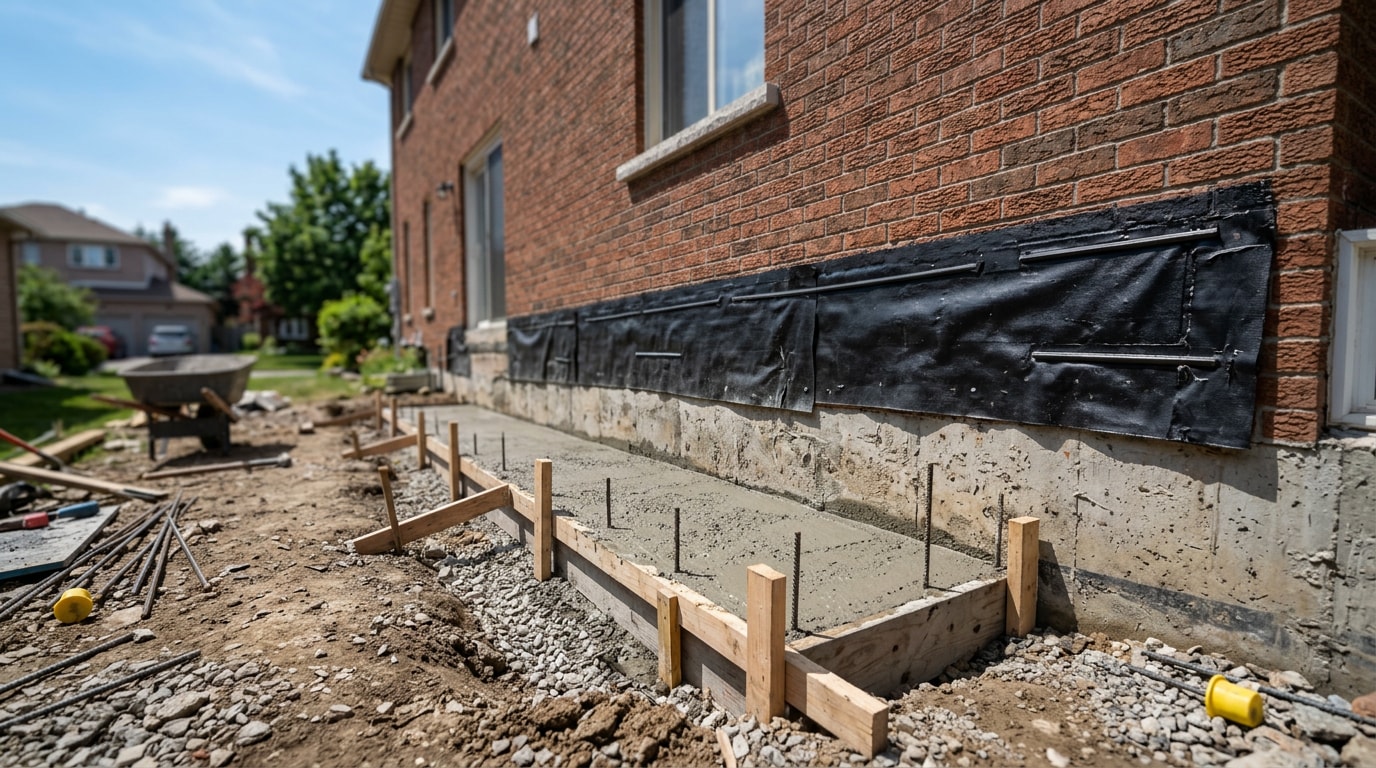
Dedicated foundation repair specialists install push piers, helical piers, and crack-injection systems to stabilize a structure that's already moving. General contractors, by contrast, manage the broader project that the foundation sits inside: a basement that needs to be waterproofed before it's finished, a room addition that requires new footings, or a whole-house renovation where a foundation issue gets discovered mid-project.
On the projects we manage across Burr Ridge and the western suburbs, foundation concerns surface most often during basement remodeling or when a room addition calls for new footings, not as a stand-alone emergency repair. In those cases, a general contractor coordinates the structural engineer, the waterproofing or piering subcontractor, permits, and the finish work that follows, so the homeowner deals with one point of contact instead of three separate bids.
Signs Your Burr Ridge Home Has a Foundation Problem
Catching movement early keeps the repair scope (and the bill) smaller. Watch for:
- Diagonal cracks in drywall near door and window corners
- Doors and windows that stick or won't latch properly
- Visibly sloping or bouncy floors
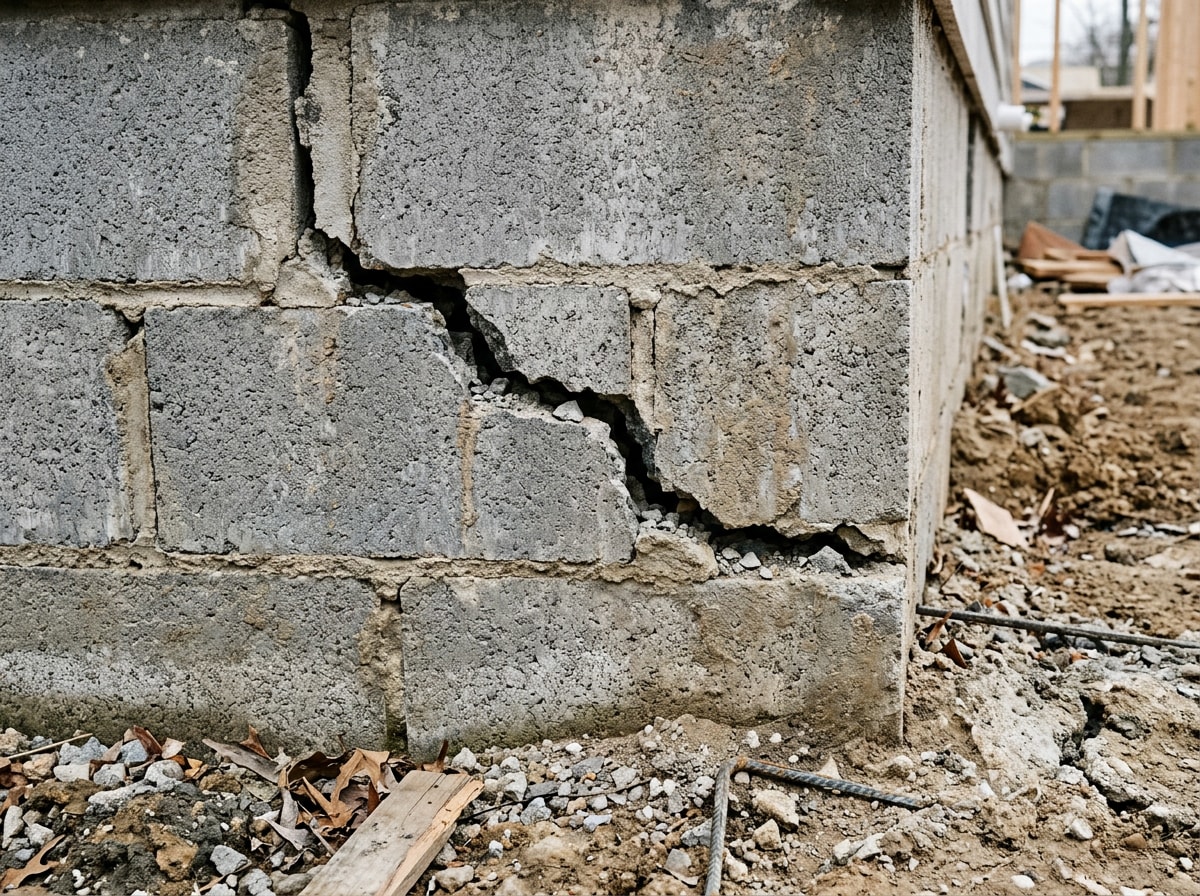
- Horizontal cracks or inward bowing in basement walls
- Gaps forming between walls, ceilings, or the floor
- A persistent musty smell in the crawl space or basement
One or two of these can be cosmetic. Several appearing together, especially bowing walls or stair-step cracks in masonry, usually means it's time for a professional evaluation.
How Much Does Foundation Repair Cost in Burr Ridge, IL?
Costs vary widely depending on the extent of the damage, soil conditions, and access to the work area. Here's a general breakdown homeowners in the Chicago suburbs should expect to budget:
| Repair Type | Typical Cost Range |
|---|---|
| Minor crack injection | $300 – $1,500 |
| Moderate repair (multiple cracks, some settling) | $2,000 – $8,000 |
| Push pier or helical pier underpinning | $1,000 – $3,000 per pier |
| Major structural piering | $8,000 – $25,000+ |
| Basement waterproofing | $2,500 – $10,000 |
| Sump pump installation | $1,000 – $3,000 |
Chicago-area labor rates and clay-heavy soil tend to push costs toward the higher end of national ranges. Get a written, itemized quote before committing. Request a free estimate and ask specifically what's included: engineering review, permit fees, and warranty terms all affect the final number.
Why Burr Ridge Soil Makes This a Regional Issue
This part doesn't get enough attention in most foundation guides: the problem is built into the ground itself. Illinois building code requires footings to extend below the region's roughly 42-inch frost line, and the clay-heavy soil common throughout DuPage County expands when saturated and shrinks as it dries. That cycle, repeated every freeze-thaw season, is what pushes foundations and slabs out of level over time, even on homes built to code.
That's also why a repair that only addresses a visible crack without correcting drainage or grading tends to fail again within a few years. A durable fix treats the water problem and the structural problem together.
Foundation Repair Methods Explained
Not every crack needs the same fix. The method depends on the load the foundation carries and how far it has already moved.
- Crack injection: Epoxy or polyurethane seals minor, non-structural cracks and stops water infiltration.
- Helical piers: Screwed into stable soil; suited to lighter structures, additions, and porches where access or speed matters.
- Push piers: Steel piers driven to bedrock or load-bearing soil to lift and stabilize heavier structures.
- Wall anchors or carbon fiber straps: Used on bowing basement walls to halt further inward movement without full excavation.
When a General Contractor Should Lead the Project
If the foundation work is isolated, hire a structural repair specialist directly. If it's tied to a larger renovation, bringing in a general contractor first usually saves money and headaches.
A few examples:
- Basement remodeling: Waterproofing and crack repair need to happen before drywall, flooring, or basement remodeling finish work begins, so sequencing matters.
- Room additions: New footings for an addition have to tie into the existing foundation correctly, which is a structural and a GC scheduling problem at the same time. See our room additions services for how that coordination works.
- Whole-house renovations: Older Burr Ridge homes sometimes reveal foundation issues once interior walls come down. A whole house renovation project needs a contractor who can pause, loop in a structural engineer, and keep the rest of the schedule on track.
If you're trying to figure out who should actually be in charge of a mixed-scope project like this, our guide on vetting remodeling contractors walks through the same due-diligence questions that apply here.
Permits for Foundation Work in Burr Ridge
Permit rules are local, not statewide, so don't assume your contractor automatically has this covered. The Village of Burr Ridge specifically lists work that impacts foundations among the projects that require a building permit, alongside additions, retaining walls, and driveway work. Confirm who is pulling the permit, your contractor or you, before work starts, and ask to see the approved permit before the crew breaks ground.
Protecting the Foundation From Water Damage
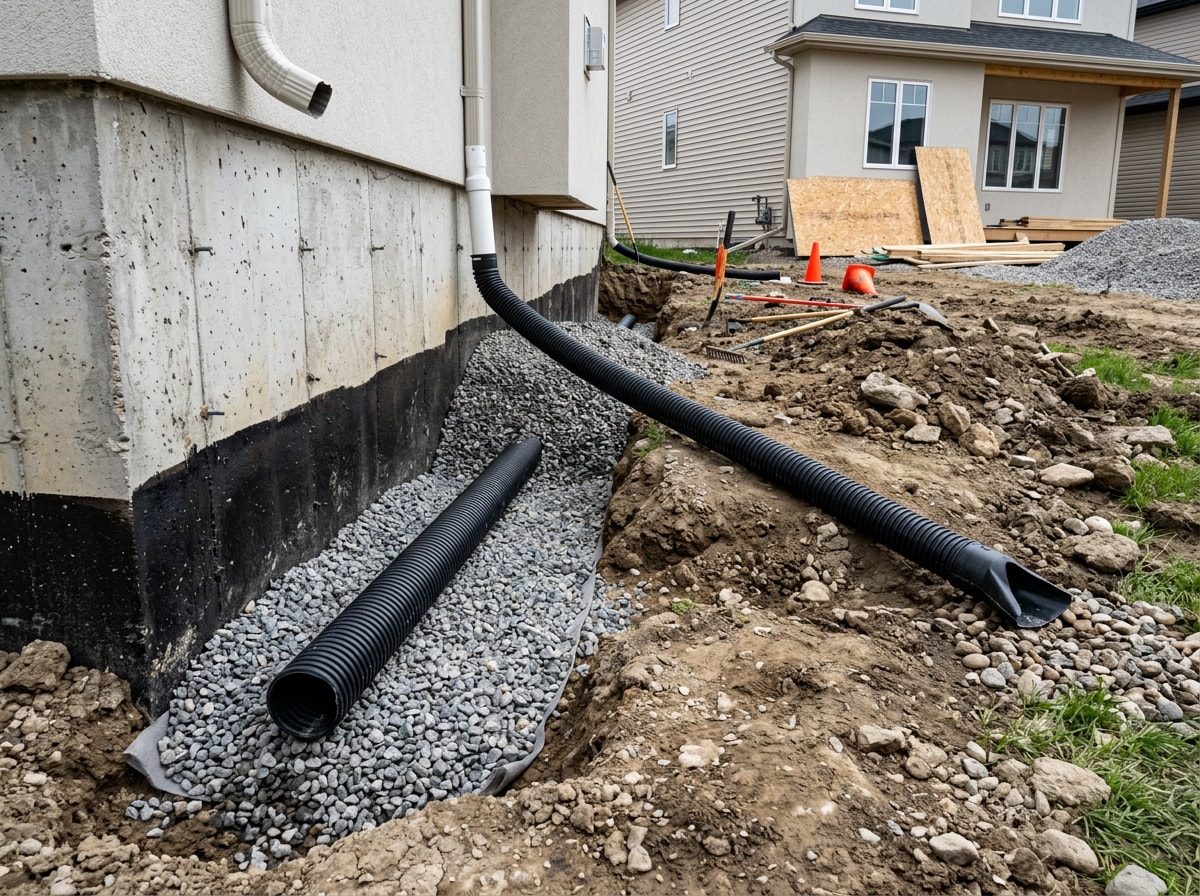
Most foundation failures are water problems wearing a structural disguise. Sump pumps, properly graded yards, and extended downspouts work together to keep hydrostatic pressure off basement walls. FEMA's guidance on protecting homes from flooding recommends directing downspouts away from the foundation, sealing basement walls with waterproofing compounds, and installing a sump pump as baseline protection, even for homes outside a mapped flood zone.
Concrete Quality Matters: Mix, PSI, and Cure Time
Not all concrete is poured equal. Durability depends on the mix ratio, the specified PSI rating, and full cure time. Industry testing standards from the National Ready Mixed Concrete Association confirm that concrete reaches its full specified compressive strength at 28 days, which is why structural loads shouldn't be placed on new concrete before that mark. A contractor who rushes this step, or skips a proper cure schedule to finish faster, is trading your foundation's long-term durability for a shorter timeline.
How to Vet a Foundation Contractor Before You Hire
A quick checklist before you sign anything:
- Insurance and licensing: Illinois doesn't issue a statewide general contractor license (roofing is the one exception), so confirm local registration with the Village of Burr Ridge and ask for proof of general liability insurance directly.
- Written, itemized estimate: Vague lump-sum quotes make it hard to compare bids or catch scope gaps later.
- Warranty terms: Get the length and what voids it (for example, drainage changes made by another contractor) in writing.
- Local project history: Ask for addresses of completed work in Burr Ridge or nearby DuPage County towns, where clay soil and frost depth match your site conditions.
- Who pulls the permit: Confirm this before the contract is signed, not after work starts.
Browse completed projects before you commit to a contractor, and compare how a company documents its own work history.
Serving Burr Ridge and Nearby Communities
We work on foundation-adjacent renovation projects throughout Burr Ridge, IL and the surrounding western suburbs, including:
Visit the ProOne Builders homepage to see our full range of services, or contact us to talk through a project that touches your foundation.
FAQ
How much does foundation repair cost in Illinois?
Most Illinois foundation repairs range from about $300 for a minor crack injection to $25,000 or more for major underpinning. The average homeowner project lands somewhere between $2,000 and $10,000, depending on damage severity and foundation type.
What are the signs of foundation problems?
Common warning signs include diagonal drywall cracks, sticking doors and windows, sloping or bouncy floors, bowing basement walls, and gaps forming between walls and ceilings.
How long does foundation repair take?
Minor crack injections often finish in a single day. Piering or wall stabilization projects typically take two to five days, and projects tied into a larger renovation take longer because they're sequenced around other trades.
How do I choose a foundation repair contractor?
Verify local permit registration and insurance, request a written itemized estimate, confirm warranty terms in writing, and ask for addresses of completed local projects you can review.
Do I need a permit for foundation work in Burr Ridge, IL?
Yes. The Village of Burr Ridge lists work that impacts foundations as a permit-required project, along with additions, retaining walls, and driveway replacements. Confirm with the Village's Community Development department before work starts.
Can a sinking foundation be repaired without full replacement?
In most cases, yes. Push piers or helical piers can stabilize and often lift a settled foundation without tearing it out and rebuilding it. Full replacement is usually reserved for foundations with severe, widespread structural failure.
Does homeowners insurance cover foundation repair?
Typically not for gradual settling or wear, since most policies treat that as a maintenance issue. Coverage is more likely if the damage resulted from a sudden, covered event like a burst pipe or storm. Check your specific policy and talk to your insurer before assuming either way.