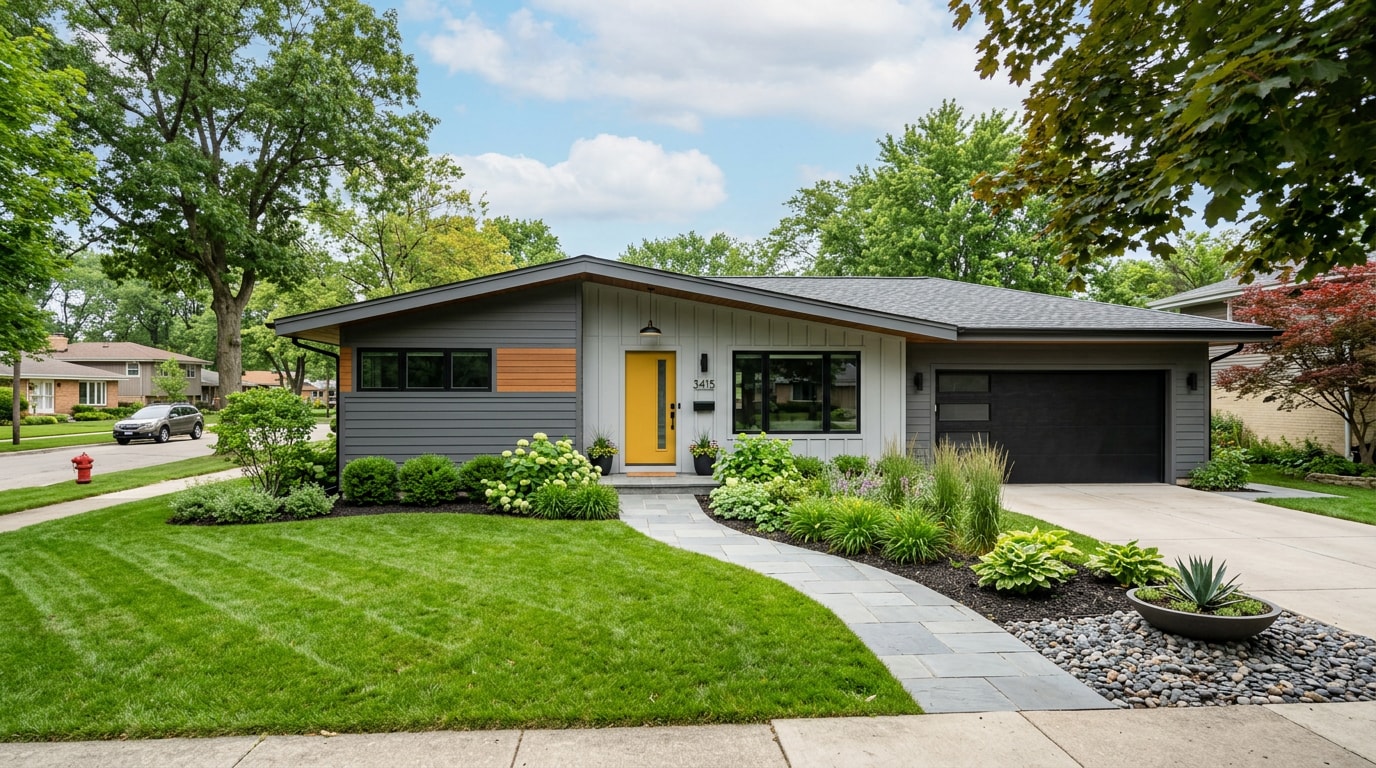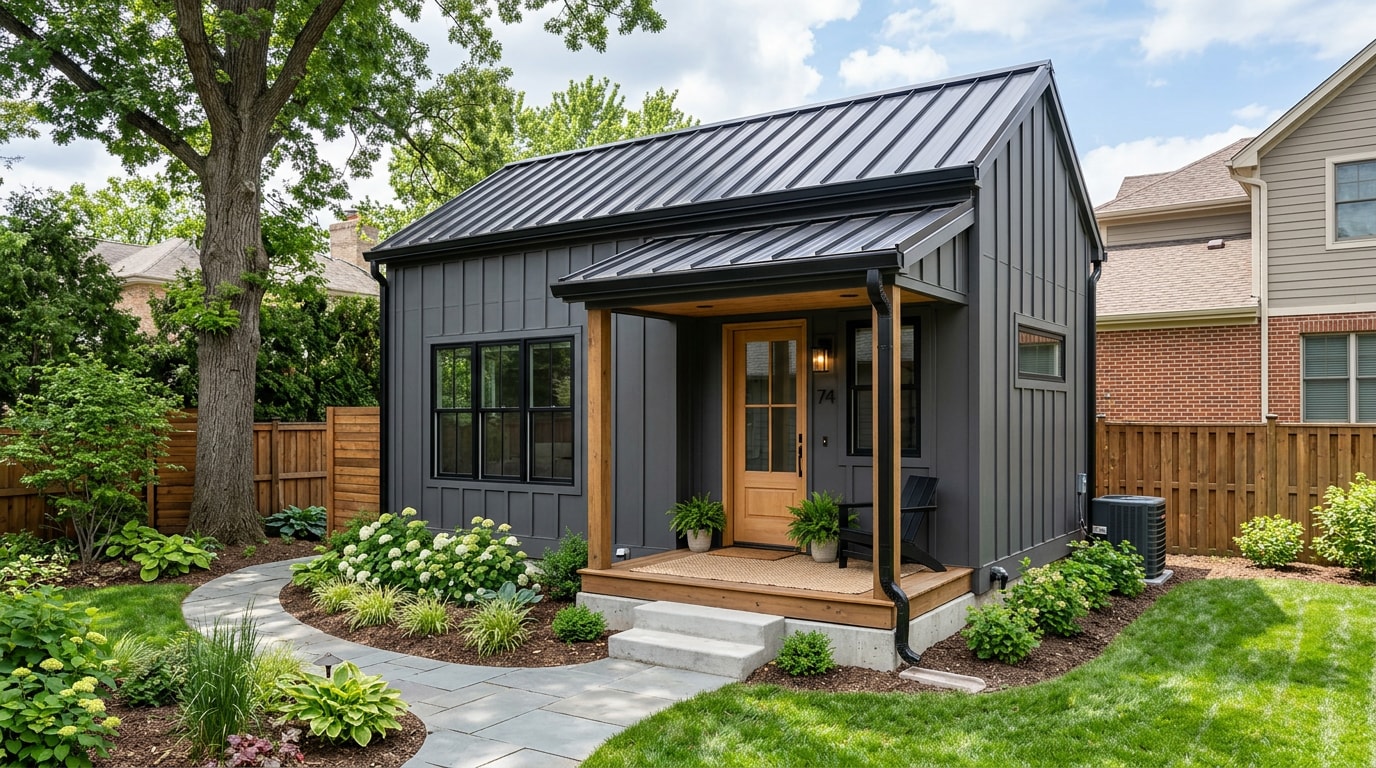
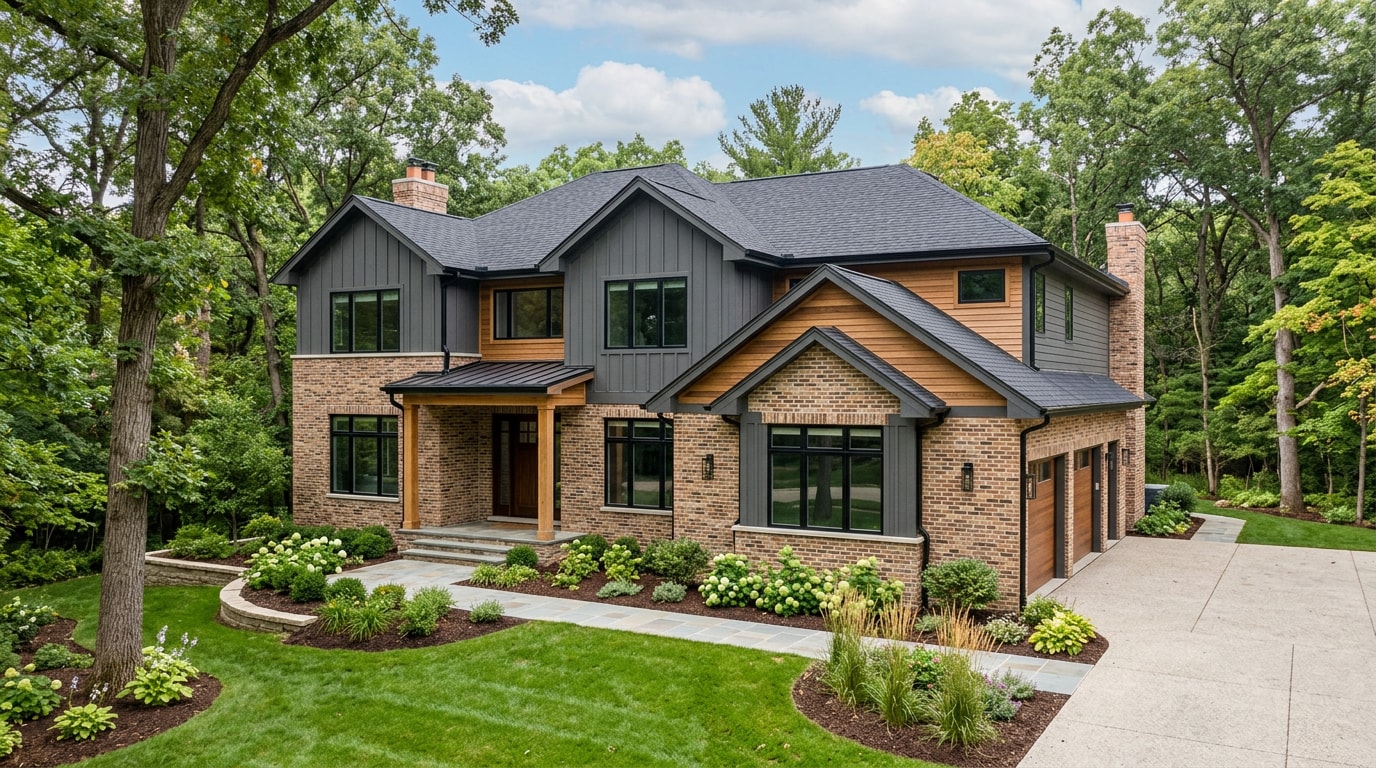
Home builders with plans and prices in Indian Head Park, IL are harder to compare than they look, because this small Cook County village has almost no raw land left for subdivisions. Every quote you get back will reflect a build-on-your-lot project or a teardown-rebuild, not a catalog floor plan from a model home row. Here is what that means for your budget, your timeline, and the questions you need answered before you sign anything.
What "Plans and Prices" Actually Means Here
Indian Head Park's housing stock runs from mid-century ranches to larger custom builds on the north end near Wolf Road, and that mix shapes what a "plan" even looks like locally. Detached homes in the village typically trade between $450,000 and $1 million on resale, which gives you a rough ceiling for what a comparable new build needs to compete with.
That resale range is not a construction cost, it is market value. New construction pricing works differently, and it starts with the land.
Nationally, the National Association of Home Builders' 2024 Cost of Construction Survey found the average construction cost for a single-family home was $428,215, or about $162 per square foot, with construction costs making up 64.4% of the final sales price. That is a national benchmark, not a Cook County quote, but it is the most reliable yardstick available for sanity-checking any builder's number.
Here is how the three main builder categories typically compare on cost, flexibility, and timeline:
| Builder Type | Typical Flexibility | Relative Cost per Sq Ft | Typical Timeline |
|---|---|---|---|
| Production builder | Low (preset floor plans) | Lowest | 4 to 7 months |
| Semi-custom builder | Moderate (base plan, modified finishes) | Mid-range | 6 to 10 months |
| Custom home builder | Highest (fully designed) | Highest | 9 to 16+ months |
Use this as a starting framework, then ask every builder to break their quote into the same categories: land, site work, construction, and finishes. A single lump-sum number hides more than it reveals.
Home Builders Serving Indian Head Park, IL
Because large tract-development land is scarce here, most active builders serving the area lean custom or semi-custom rather than production. Expect conversations about your specific lot, not a tour of a dozen model homes.
Searching "custom home builders near me" from an Indian Head Park address will usually surface a mix of small design-build firms and larger regional builders who also cover the western suburbs. Knowing which category fits your project before you call saves everyone time.
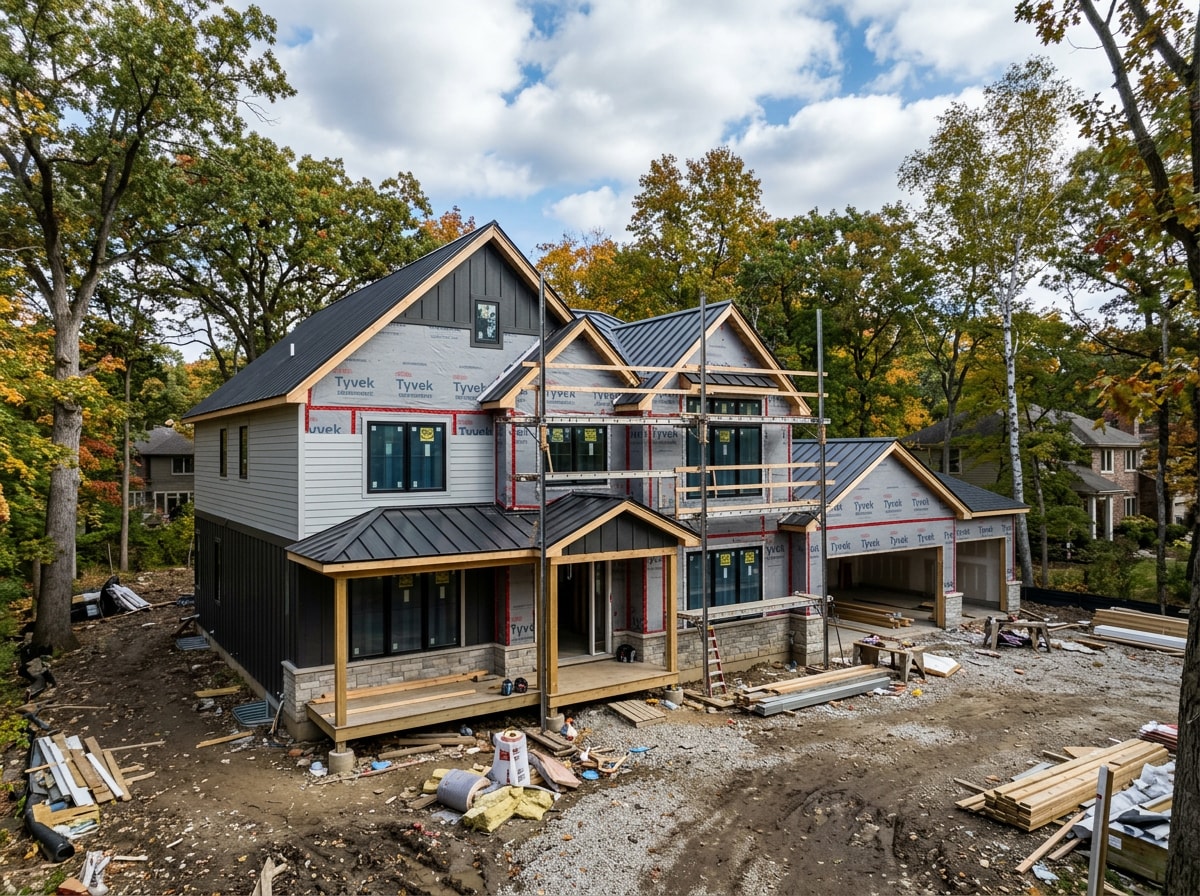
If you want to see the kind of craftsmanship and project scope a contractor actually delivers, rather than just a sales pitch, our projects page shows completed work across the western suburbs, and our Indian Head Park service area page outlines how we support homeowners locally. We also regularly work in neighboring Western Springs, La Grange, and Burr Ridge, where lot sizes and permitting rules run similar to Indian Head Park's.
Before You Call a Builder: Budget and Lot Groundwork
Two things need to be settled before you contact anyone: your real budget, and your project scope. Skipping this step is the most common reason buyers end up frustrated mid-process, because the quotes stop matching reality once they realize the builder isn't equipped for what the lot actually requires.
Define Your Financial Picture
A realistic budget covers land, construction, and site work, not just the number on a builder's brochure. Getting construction loan pre-approval early tells you what you can actually spend before you fall in love with a plan you can't afford.
For current national housing starts, permits, and completions data, the U.S. Census Bureau's New Residential Construction report is updated monthly and is a useful check against a builder's claims about material and labor market conditions.
Check Local Permit and Zoning Rules First
This is the step most buyers skip, and it is the one that causes the most expensive surprises. The Village of Indian Head Park requires a building permit before any new construction, addition, alteration, or remodeling that affects a structure's integrity, and the permit must stay visibly posted from the street for the duration of the project.
A few village-specific rules worth knowing before you shop for a builder:
- Any contractor working in the village must hold a current Village of Indian Head Park contractor's license and carry liability insurance naming the village as holder.
- Buildable area and setback rules are strict. Structures placed outside the designated buildable area, including sheds and some additions, require a variance or special use approval from the Planning and Zoning Commission.
- Projects in a Special Flood Hazard Area face additional restrictions on additions, decks, pools, and even regrading.
Ask every builder you're considering whether they already hold an active village contractor license. If they hesitate or say they'll "look into it," that is a scheduling delay waiting to happen.
Define Your Project Needs
If you already own land, your first move is a site evaluation checking zoning, soil conditions, and utility access before any builder gives you a firm quote. A vacant lot is not automatically buildable; setbacks and village ordinances can limit what you're allowed to put on it.
If you don't yet own land, you're choosing between builder-offered lots or finding your own site, and that decision determines which builders are even relevant to call.
Types of Home Builders: Production, Semi-Custom, and Custom
Most companies fall somewhere on a spectrum from production to fully custom, and knowing where a builder sits tells you what to expect on price, timeline, and how much input you'll have.
- Production builders offer a handful of standard models with limited, pre-set customization.
- Semi-custom builders start from an existing base plan with structural and finish modifications available.
- Custom builders design a home from the ground up around your specifications, offering the most control but requiring the most time and the highest budget.
In the Indian Head Park area, most active builders lean custom or semi-custom, given how little large tract-development land remains. The trade-off is straightforward: more customization generally means a longer timeline and a higher price per square foot, but also a home built specifically around how you live.
When Renovating Beats Building New in Indian Head Park
Here's something the builder directories won't tell you: on a lot this size, in a village with these setback rules, a full teardown-rebuild is often slower and more expensive than transforming the home you already have. We've walked Indian Head Park homeowners through this exact comparison, and in a meaningful share of cases, a whole-house renovation or a room addition delivers the square footage and layout they wanted without the lot-clearing, variance applications, and 12-plus month construction loan that new construction demands.
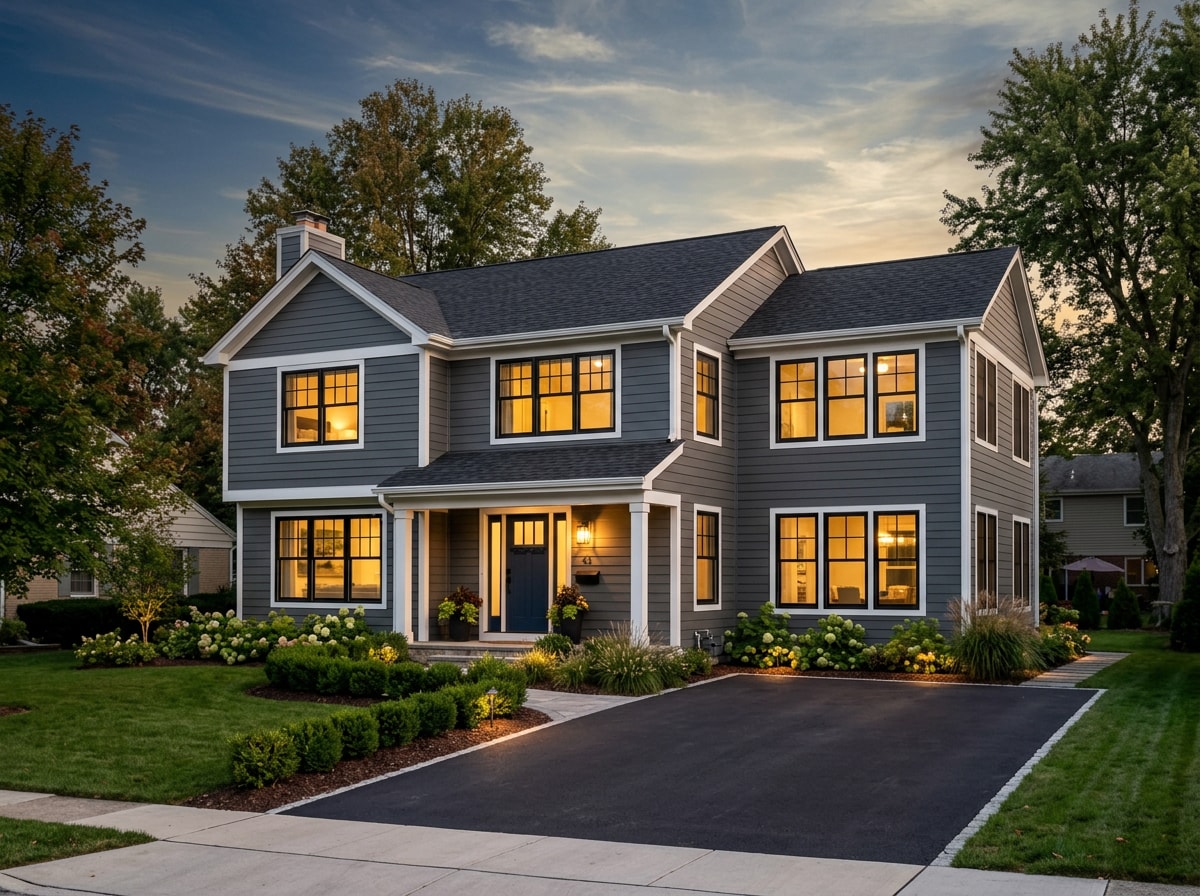
If your current home has good bones but the wrong layout, a whole-house renovation can reconfigure the interior without touching the foundation footprint or triggering the same variance process a new build would. A room addition solves the "we need more space" problem directly, often at a fraction of new-construction cost per usable square foot. Kitchens and primary bathrooms are usually the rooms driving the "we need a new house" feeling in the first place, and kitchen remodeling or bathroom remodeling can close that gap for less than a land purchase alone would cost. For the full scope of what a licensed general contractor can handle on an existing home, our general contractor services page breaks it down by project type.
This is not an argument against new construction. It's a reminder to run the comparison before you commit to either path.
Vetting Any Builder: The Questions That Matter
Once you have a shortlist, the real work starts: verifying that each builder can actually deliver what they're promising.
Verify Track Record and Experience
Ask for a list of completed projects similar in size and scope to yours, then check reviews independently rather than relying only on testimonials the builder provides. Experience with your specific project type, whether that's a teardown-rebuild, an infill lot, or a larger addition, is a better predictor of success than years in business alone.
Visit Active Job Sites, Not Just Model Homes
A model home shows you the finished product. An active job site shows you the process: site cleanliness, how organized the crew is, and whether work-in-progress reflects the quality the builder advertises. If a builder hesitates to let you walk a current job, treat that as a red flag.
Ask About Payment Structure and Contract Type
Most reputable builders use a milestone-based payment schedule tied to construction phases rather than a large upfront deposit. Ask for a written timeline with specific payments attached to each phase, and confirm which contract format applies: a fixed-price agreement, a cost-plus arrangement, or a guaranteed maximum price.
For a plain-language breakdown of how these agreements differ for new construction versus remodeling, the AIA's residential contract documents guide outlines the standard forms, including the version written specifically for remodel projects rather than ground-up builds.
For a deeper vetting checklist that applies equally to remodeling contractors, see our Willow Springs remodeling contractors guide.
Vague payment terms or pressure to pay well ahead of completed work are warning signs regardless of which contract type you choose. Once you've narrowed your list, request a free estimate from a licensed, locally experienced team so you have a real number to compare against every other quote.
FAQ
What does it cost to build a house in Illinois?
Costs vary by region, but Chicago-area and Cook County construction typically runs higher than downstate Illinois averages due to labor, permitting, and land costs. Nationally, the average construction cost for a new single-family home was $428,215 in 2024, according to NAHB, with land and site work adding significantly more in dense suburban markets like Indian Head Park.
How much does it cost to build a house per square foot in Illinois?
The 2024 national average was about $162 per square foot for construction alone, not including land. Local figures run higher in Cook County, and finish level moves the number substantially: standard-grade builds sit at the lower end, while luxury-grade finishes push costs considerably higher.
Do you need a permit to build a new home in Indian Head Park?
Yes. The Village of Indian Head Park requires a building permit before any new construction, addition, alteration, demolition, or remodeling that affects a structure's integrity, and the permit must be visibly posted during construction. Contractors must also hold an active village contractor's license and liability insurance naming the village as holder before work begins.
Is it cheaper to renovate an existing home than build new in Indian Head Park?
Often, yes, especially on smaller lots where a teardown-rebuild triggers variance applications and longer construction loans. A whole-house renovation or room addition can deliver the space and layout you want without the land costs and permitting delays of ground-up new construction.
What questions should I ask a home builder before signing a contract?
Ask about the builder's track record on similar projects, whether you can tour an active job site, how the payment schedule is structured, and what warranty coverage applies. These four areas cover most of the risk in a home building contract.
How do I choose the right builder for a custom home?
Start with a clear budget and construction loan pre-approval, decide whether you need a custom, semi-custom, or production builder, then vet your shortlist using track record, job site visits, and payment terms. Choosing the right builder comes down to matching their strengths to your specific lot and project.
Ready to compare a real, written quote against everything else you've collected? Visit ProOne Builders to see our full range of services, or request a free estimate to start the conversation.